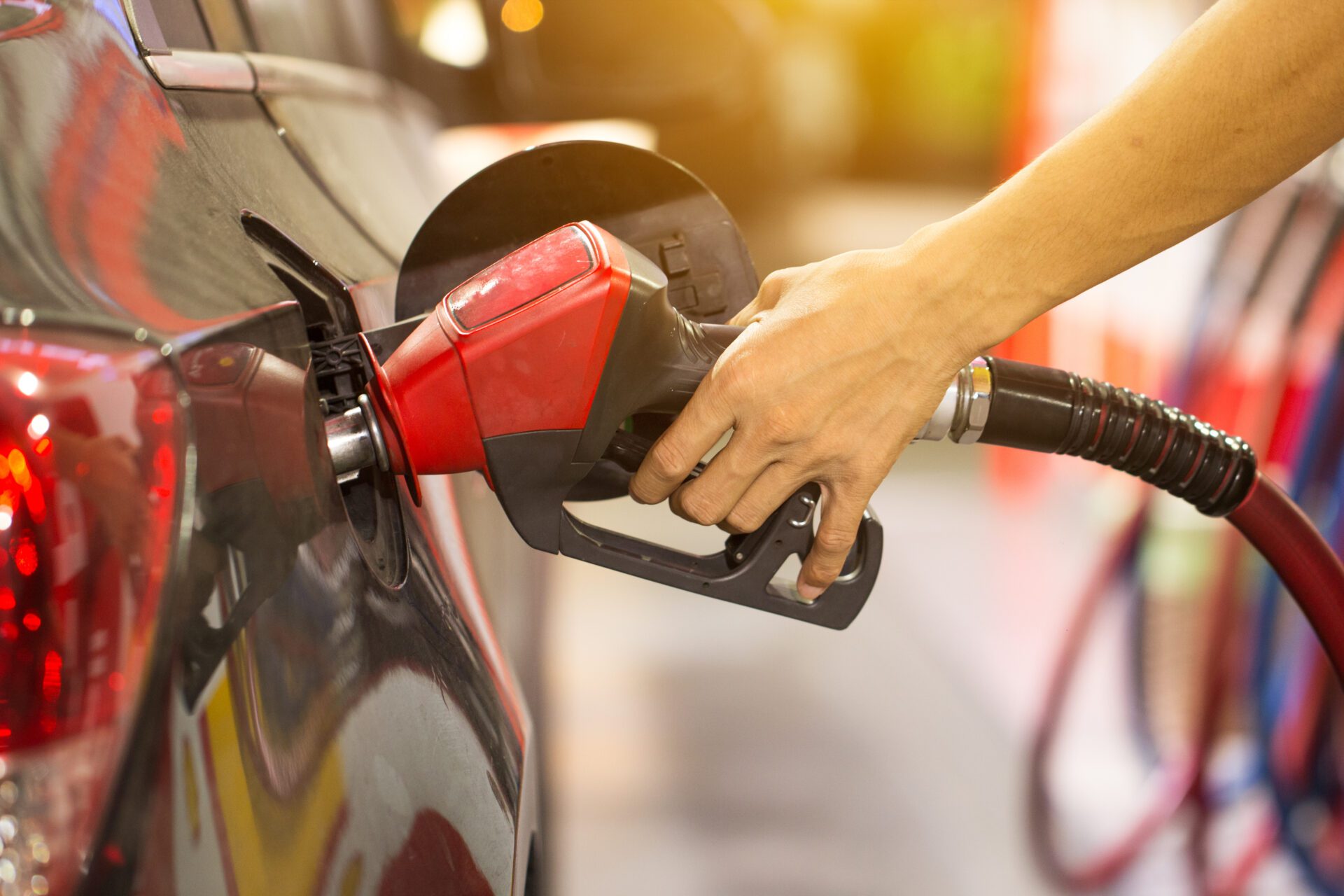
The right diesel fuel pumps help you manage fuel in four ways. They match flow rate to tank size, meter every litre dispensed, filter out water and debris, and reduce spills at the nozzle. At Centennial Farm Supply Ltd., we help Winkler, MB farms and fleets pair dependable pumps with tanks, meters, and filters so they have tighter control over fuel costs.
Why Does Fuel Management Matter for Manitoba Farms?
Fuel is one of the steadiest costs on a Manitoba farm. Manitoba Agriculture’s 2026 cost of production guidelines put fuel at roughly $28 to $44 per acre, depending on the crop. A 2,000-acre grain operation averaging $33 per acre spends about $66,000 on fuel each season. At that level, every 1% lost to spills, leaks, or untracked fills costs around $660.
Pump Features That Help You Track Fuel More Accurately
A pump’s features determine how much of your fuel you can account for. We recommend four features for farm and fleet tanks:
- Accurate metering: A meter rated to within ±1% shows exactly how many litres each machine receives.
- Dispenser filtration: A 10-micron filter traps water and debris before they reach costly injection systems.
- Automatic shut-off nozzles: These nozzles stop the flow when a tank is full, which reduces overfill spills.
- Lockable hardware: Locking nozzles and switches help prevent unauthorized fuel use.
Which Pump Size Fits Your Fuel Tank?
Matching diesel fuel pumps to tank capacity prevents slow fills during peak season and saves you from paying for flow capacity you will never use. Our options range from Fill-
| Operation |
Typical Tank Size |
Suggested Pump |
Common Use |
| Small farm or acreage |
2,300 to 4,600 L |
12-volt transfer pump |
Pickups, skid steers, small tractors |
| Mid-size farm |
4,600 to 20,000 L |
115-volt AC transfer pump |
Tractors, combines, grain trucks |
| Large farm or fleet yard |
20,000 to 75,000 L |
4-inch submersible pump |
High-volume daily fueling |
Build a Simple Fuel Tracking Routine
A consistent tracking routine turns pump and meter data into real savings. We suggest this five-step process:
- Log the date, meter reading, and unit number at every fill.
- Compare monthly meter totals with delivery tickets. A gap above 1% often points to a leak, meter drift, or missed entries.
- Calibrate meters at least once a year.
- Change dispenser filters every six months, or sooner if flow slows.
- Switch to arctic-rated hoses before winter, since temperatures around Winkler can fall below -30°C.
What Are Your Next Steps for Better Fuel Control?
Better fuel management comes down to three habits: measure every litre, keep fuel clean, and size your pump to your tank. Before next season, ask yourself three questions. Do your meter totals match your delivery tickets? When did you last change your filter? Can your pump keep up during harvest?
Every litre you measure is a litre you keep. At Centennial Farm Supply Ltd., we provide complete fuel storage packages with ULC-certified tanks, pumps, meters, and hoses, along with bulk fuel and lubricant delivery across southern Manitoba. Call or text our team at +1 204-325-8261 to have your current setup reviewed.
FAQs
How does a pump improve fuel management?
Diesel fuel pumps move fuel from your storage tank into equipment at a controlled rate. When paired with a meter and filter, the setup records every litre dispensed and keeps water and debris out. This gives you accurate usage data and cleaner fuel.
Which pump suits my tank size?
Start with tank capacity and fuel demand. Tanks of 2,300 to 4,600 litres usually suit smaller transfer pumps, while large double-wall tanks up to 75,000 litres often need a 4-inch submersible pump. Our Winkler, MB team can match a pump to your workload.
How accurate should my fuel meter be?
Meters paired with diesel fuel pumps should read within ±1% of actual volume. That margin matters because across 50,000 litres a year, a 1% error equals 500 litres. Calibrating at least once a year keeps readings dependable and helps you spot leaks or missing fuel.
How often should I change the pump filter?
We recommend replacing dispenser filters every six months, or sooner if flow slows noticeably. A 10-micron filter captures fine particles and moisture before they reach injectors, where repairs are costly. Keep spare filters on hand before the busy seeding and harvest seasons.
Do you sell complete tank and pump packages?
Yes. At Centennial Farm Supply Ltd., we supply complete fuel storage packages that include tanks, pumps, meters, and hoses, and our Meridian double-wall tanks are ULC-approved. These packages give farms and commercial sites in Winkler, MB a safe, matched system.
Can a fuel pump help prevent fuel theft?
Yes. Lockable nozzles, keyed power switches, and metered dispensing make unauthorized use harder to hide. When every fill is logged against a unit number, missing fuel shows up in monthly totals. Many diesel fuel pumps also accept padlocks on the nozzle holder for extra security.
How does Manitoba’s winter affect my fuel setup?
Temperatures around Winkler, MB can drop below -30°C. That cold stiffens standard hoses and can cause summer-grade diesel to gel. We recommend arctic-rated hoses and winter-blend fuel from late fall through spring. Check tanks regularly for condensation, since trapped water can freeze and block lines.
How long does stored diesel stay usable?
Diesel generally stays in good condition for 6 to 12 months in a clean, sealed tank away from heat and moisture. Older fuel can develop sediment and microbial growth. Rotating stock, draining water regularly, and sizing your tank to seasonal use all help keep fuel fresh.
Do you offer bulk fuel delivery in Winkler, MB?
Yes. We deliver bulk fuel and lubricants from our locations in Winkler, Morden, Altona, Morris, and other Manitoba communities. Scheduled deliveries paired with a metered pump help you plan inventory, avoid running dry during busy weeks, and compare delivered volumes against usage.
How can I track fleet fuel use?
Combine metered diesel fuel pumps on your farm tanks with a log of unit numbers, dates, and litres. For on-road vehicles, we also offer the Petro-Canada SuperPass program to help track purchases. Reviewing both records monthly shows which machines use the most fuel.